
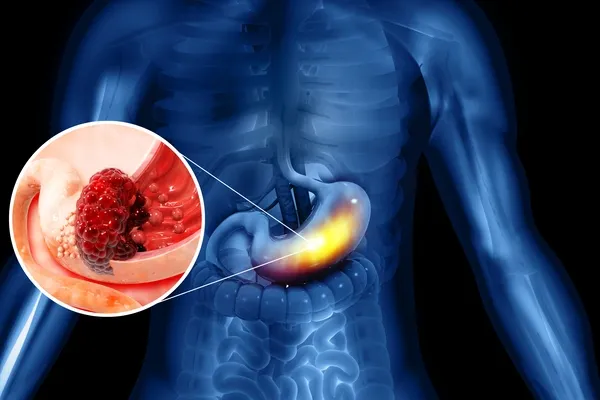
Stomach cancer, also known as gastric cancer, develops quietly and often goes unnoticed in its early stages. Many people dismiss the initial symptoms as simple indigestion or acidity. Unfortunately, this delay allows the disease to progress.
The encouraging reality is this: early detection and modern treatments can significantly improve survival and quality of life. Awareness is your first line of defense.
What Is Stomach Cancer?
Stomach cancer begins when abnormal cells grow uncontrollably in the lining of the stomach. Over time, these cells can form tumors and spread to nearby organs such as the liver, pancreas, or intestines.
Why Stomach Cancer Awareness Is Important
Early-stage stomach cancer often shows mild or no symptoms. Recognizing risk factors and warning signs can lead to timely diagnosis and better treatment outcomes.
Understanding the Stomach
Function of the Stomach
- Breaks down food
- Produces digestive enzymes
- Absorbs essential nutrients
How Stomach Cancer Develops
Chronic inflammation, genetic mutations, or infections damage the stomach lining, causing abnormal cell growth.
Types of Stomach Cancer
- Adenocarcinoma — The most common type, starting in the stomach lining.
- Gastrointestinal Stromal Tumors (GIST) — Rare tumors arising from connective tissue.
- Lymphoma of the Stomach — Develops from immune cells in the stomach wall.
- Neuroendocrine Tumors — Originate from hormone-producing cells.
Causes and Risk Factors of Stomach Cancer
- Helicobacter pylori Infection: A major cause linked to chronic gastritis.
- Dietary Factors: High salt intake; smoked and processed foods.
- Lifestyle and Environmental Factors: Smoking; excessive alcohol consumption.
- Genetic Risk Factors: Family history increases susceptibility.
Signs and Symptoms of Stomach Cancer
Early Symptoms
- Indigestion
- Mild stomach discomfort
- Loss of appetite
Advanced Symptoms
- Weight loss
- Vomiting blood
- Black stools
- Persistent pain
Symptoms Often Ignored
Bloating and heartburn are frequently overlooked.
Stomach Cancer Screening and Early Detection
Screening
- Is Screening Available? Routine screening is limited but used in high-risk populations.
- Who Is at High Risk? People with family history or chronic H. pylori infection.
Diagnosis of Stomach Cancer
- Endoscopy: Allows direct visualization of the stomach lining.
- Biopsy: Confirms cancer through tissue analysis.
- Imaging Tests: CT scan, PET scan, or MRI.
- Blood Tests: Help assess overall health and anemia.
Stages of Stomach Cancer
- Stage I: Cancer limited to stomach.
- Stage II: Spread to nearby tissues.
- Stage III: Lymph node involvement.
- Stage IV: Distant metastasis.
Treatment Options for Stomach Cancer
- Surgery: Primary treatment for early stages.
- Chemotherapy: Kills cancer cells and prevents recurrence.
- Radiation Therapy: Used with chemotherapy in some cases.
- Targeted Therapy: Attacks specific cancer proteins.
- Immunotherapy: Boosts immune response in advanced cases.
Surgery for Stomach Cancer
- Partial Gastrectomy: Removal of part of the stomach.
- Total Gastrectomy: Complete removal of the stomach.
- Minimally Invasive Surgery: Faster recovery and fewer complications.
Side Effects of Stomach Cancer Treatment
Short-Term Side Effects
- Nausea
- Fatigue
- Appetite loss
Long-Term Side Effects
- Nutritional deficiencies
- Digestive changes
Life After Stomach Cancer
- Recovery and Follow-Up: Regular medical monitoring is essential.
- Dietary Changes: Smaller, frequent meals support digestion.
- Emotional and Mental Health: Counseling and support groups help healing.
Stomach Cancer Prevention
- Healthy Diet: More fruits, vegetables, and whole grains.
- Treating H. pylori Infection: Early treatment reduces cancer risk.
- Lifestyle Modifications: Quit smoking and limit alcohol intake.
Stomach Cancer in India
Prevalence is rising; stomach cancer remains a significant health concern.
Challenges include late diagnosis and variable access to specialized care.
Advances in Stomach Cancer Treatment
- Precision Medicine: Tailored treatments based on genetics.
- Targeted Drugs: Improve outcomes with fewer side effects.
- Ongoing Research: New therapies continue to emerge.