Chemotherapy is a medical treatment that uses anti-cancer drugs to kill or slow the growth of cancer cells. Since cancer cells multiply quickly, chemotherapy targets these fast-growing cells.
Why Is Chemotherapy Used?
Doctors recommend chemotherapy to:
- Shrink tumors
- Destroy remaining cancer cells after surgery
- Slow cancer growth
- Prevent cancer from coming back
- Relieve symptoms in advanced cancer
How Does Chemotherapy Work?
Chemotherapy drugs travel through the bloodstream, reaching almost every part of the body. They target rapidly dividing cells, including cancer cells and some normal cells like hair roots, skin cells, and blood cells. This is why side effects may occur.
Types of Chemotherapy
- Curative Chemotherapy: Used to completely destroy cancer cells and cure the disease
- Neoadjuvant Chemotherapy: Given before surgery or radiation to shrink the tumor
- Adjuvant Chemotherapy: Given after surgery to kill remaining cancer cells
- Palliative Chemotherapy: Used to relieve symptoms in advanced cancer
- Combination Chemotherapy: Involves two or more drugs for better effectiveness
Common Chemotherapy Delivery Methods
- Intravenous (IV): Drugs injected through a vein—most common method
- Oral Chemotherapy: Taken as pills or capsules at home
- Injections: Given under the skin or into a muscle
- Topical Chemotherapy: Creams applied to the skin for certain cancers
- Intrathecal / Intraperitoneal: Delivered into the spinal fluid or abdominal cavity
Cancers Treated With Chemotherapy
Chemotherapy is used for many cancers, such as:
- Breast cancer
- Lung cancer
- Blood cancers (leukemia, lymphoma, myeloma)
- Colon and rectal cancer
- Prostate cancer
- Ovarian and cervical cancer
- Pancreatic cancer
- Sarcoma
What Happens During a Chemotherapy Session?
A typical session includes:
- Check-up & Blood Tests: Doctors check blood count and organ function
- Pre-medication: Anti-nausea or allergy medicines may be given
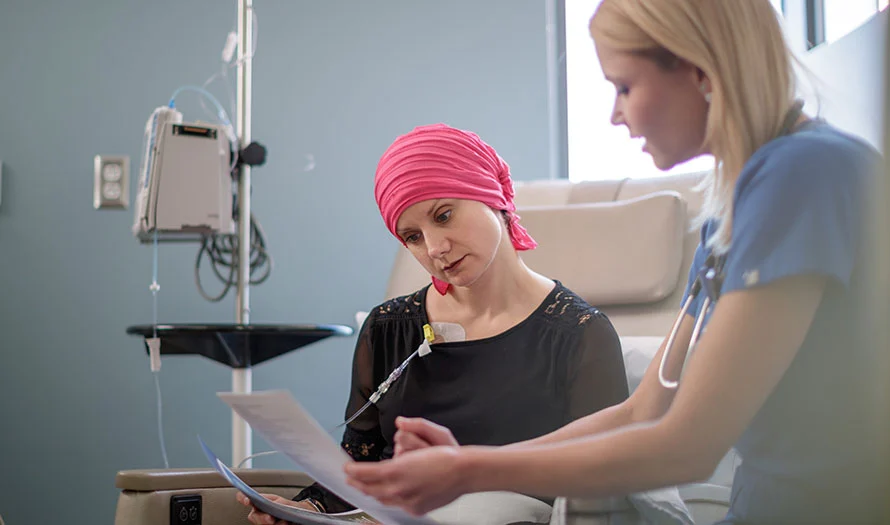
- Chemotherapy Administration: IV drip, injection, or pills depending on the type
- Observation Period: Patients are monitored for immediate reactions
- Post-treatment guidance: Instructions about food, rest, and precautions are given
Sessions may happen weekly or in cycles over months.
Common Side Effects of Chemotherapy
Chemotherapy affects healthy cells too, causing temporary side effects such as:
- Nausea and vomiting
- Hair loss
- Fatigue
- Loss of appetite
- Mouth sores
- Low immunity (increased infections)
- Anemia
- Weight changes
- Skin and nail changes
- Tingling or numbness in hands/feet
Not everyone experiences all side effects, and many are manageable.
Long-Term Side Effects
- Heart or lung changes
- Fertility issues
- Early menopause
- Memory or concentration issues ("chemo brain")
Managing Chemotherapy Side Effects
- Eat small, healthy meals
- Drink plenty of water
- Take prescribed anti-nausea medicines
- Maintain gentle exercise like walking
- Protect yourself from infections
- Get enough rest
- Avoid smoking and alcohol
- Use soft toothbrush and mild foods
- Report any unusual symptoms to your doctor
Who Should Not Take Chemotherapy?
Chemotherapy may not be suitable for people with:
- Severe infections
- Major organ failure (heart, kidney, liver)
- Very weak immunity
- Pregnancy (certain drugs)
Benefits of Chemotherapy
- Helps destroy cancer cells
- Improves survival rate
- Shrinks tumors quickly
- Treats cancer that has spread
- Useful when surgery is not possible
Risks of Chemotherapy
- Side effects
- Temporary drop in immunity
- Organ toxicity in rare cases
- Cost and long duration of treatment
Recovery After Chemotherapy
Recovery depends on the type of cancer, strength of chemotherapy drugs, and patient's age and health. Most people recover from side effects gradually within weeks to months after completing treatment.