
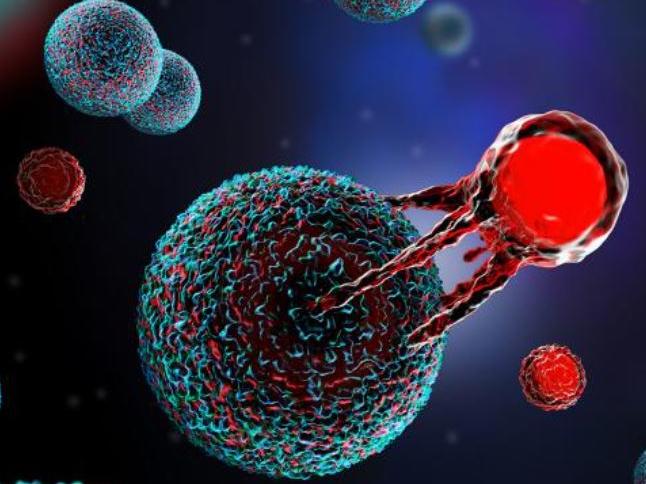
Cancer treatment has come a long way—from surgery and chemotherapy to highly targeted therapies. One of the most exciting breakthroughs in modern oncology is CAR T-cell therapy. Instead of attacking cancer from the outside, this treatment empowers your own immune system to fight cancer from within.
Sounds futuristic, right? Yet, CAR T-cell therapy is already saving lives, especially in patients who had little hope left after standard treatments failed.
What Is CAR T-Cell Therapy?
CAR T-cell therapy is a type of immunotherapy where a patient’s own T-cells (a type of white blood cell) are genetically modified to recognize and destroy cancer cells. Think of it like upgrading your immune system with a smart navigation system—one that can spot cancer cells accurately and eliminate them.
Why CAR T-Cell Therapy Is Revolutionary
Traditional cancer treatments often affect healthy cells along with cancer cells. CAR T-cell therapy, on the other hand, is highly targeted. It attacks cancer cells specifically, making it one of the most personalized cancer treatments available today.
Understanding the Immune System and Cancer
Role of T-Cells in Immunity
T-cells are the soldiers of your immune system. They patrol the body, identify threats, and destroy infected or abnormal cells.
How Cancer Evades the Immune System
Cancer cells are clever. They hide from immune cells or trick them into ignoring the threat. CAR T-cell therapy removes this disguise, forcing cancer cells into the spotlight.
What Does CAR Stand For?
-
Chimeric Antigen Receptors Explained
CAR stands for Chimeric Antigen Receptor. These are special receptors added to T-cells through genetic engineering.
-
Structure of CAR T-Cells
CARs combine an antibody-like structure (to recognize cancer) and T-cell activation components (to kill cancer).
-
How CAR T-Cells Recognize Cancer
Once infused, CAR T-cells bind to specific proteins (antigens) on cancer cells and destroy them.
How CAR T-Cell Therapy Works
Step-by-Step CAR T-Cell Process
- T-Cell Collection: Blood is drawn from the patient, and T-cells are separated.
- Genetic Engineering: The T-cells are modified in a lab to add CAR genes.
- Cell Expansion: Millions of CAR T-cells are grown.
- Infusion Back Into the Patient: The modified cells are infused back to hunt and destroy cancer.
Types of Cancers Treated With CAR T-Cell Therapy
Blood Cancers
- Leukemia: Especially effective in acute lymphoblastic leukemia (ALL).
- Lymphoma: Used in aggressive non-Hodgkin lymphomas.
- Multiple Myeloma: Targets BCMA protein on myeloma cells.
Solid Tumors (Ongoing Research)
Researchers are actively studying CAR T-cell therapy for brain, lung, and breast cancers.
Approved CAR T-Cell Therapies
Several CAR T therapies are approved globally, including Tisagenlecleucel, Axicabtagene ciloleucel, and Idecabtagene vicleucel. Common targets include CD19 and BCMA.
Benefits of CAR T-Cell Therapy
- Targeted Cancer Treatment: Minimal damage to healthy cells.
- Long-Lasting Remission: Some patients remain cancer-free for years.
- Personalized Medicine Approach: Each treatment is custom-made.
CAR T-Cell Therapy Procedure Timeline
- Preparation Phase: Includes testing, chemotherapy, and cell collection.
- Treatment Phase: CAR T-cell infusion usually takes a few hours.
- Recovery and Monitoring: Patients are closely monitored for weeks.
Side Effects of CAR T-Cell Therapy
-
Cytokine Release Syndrome (CRS)
A common but manageable immune reaction causing fever and low blood pressure.
-
Neurological Side Effects
Confusion, headaches, or seizures can occur in some patients.
-
Other Possible Risks
Infections and low blood counts are additional risks.
Is CAR T-Cell Therapy Safe?
Risk management and hospital monitoring are essential. Doctors are trained to manage complications quickly; most patients stay in specialized centers during recovery.
Who Is Eligible for CAR T-Cell Therapy?
Typically reserved for patients with relapsed or refractory cancer and often used when other treatments have failed.
CAR T-Cell Therapy vs Traditional Cancer Treatments
- Chemotherapy vs CAR T: Chemo attacks fast-growing cells; CAR T-cells attack specific cancer cells.
- Radiation vs CAR T: Radiation is localized; CAR T works throughout the body.
- Stem Cell Transplant vs CAR T: CAR T is less invasive and more targeted in many cases.
Cost of CAR T-Cell Therapy
CAR T is expensive due to complex manufacturing and personalized production, though insurance coverage and financial support are improving.
CAR T-Cell Therapy in India and Worldwide
India has developed indigenous CAR T therapies that help reduce costs. Global trials continue to expand accessibility.
Future of CAR T-Cell Therapy
- CAR T for Solid Tumors: A major research goal.
- Next-Generation CAR T-Cells: Smarter, safer, and more durable designs.
- Off-the-Shelf CAR T Therapy: Ready-made CAR T-cells may reduce costs and waiting time.