
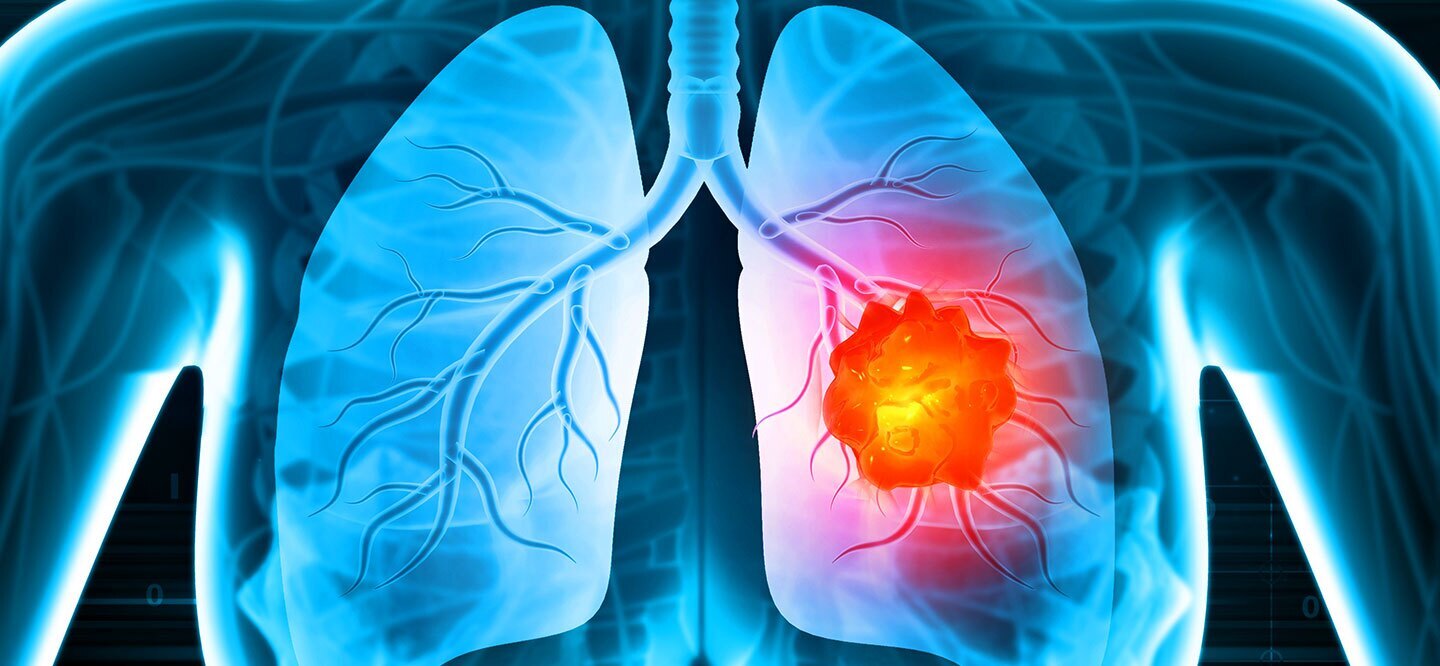
Lung cancer is one of the most common and deadliest cancers worldwide. The reason isn’t that it’s untreatable — it’s because it’s often detected late. Many people ignore early symptoms or mistake them for common respiratory issues.
Here’s the encouraging part: when lung cancer is detected early, treatment outcomes improve dramatically. Awareness, screening, and timely medical care can truly save lives.
What Is Lung Cancer?
Lung cancer begins when abnormal cells grow uncontrollably in the lungs. These cells form tumors that interfere with breathing and can spread to other parts of the body if untreated. Although smoking is the leading cause, lung cancer can also occur in non-smokers.
Why Lung Cancer Awareness Is Important
Lung cancer symptoms often appear only in advanced stages. Understanding the warning signs and risk factors encourages early diagnosis and improves survival rates.
Understanding Lung Cancer
How Lung Cancer Develops
Repeated exposure to harmful substances damages lung cells. Over time, genetic mutations cause uncontrolled cell growth, leading to cancer.
Types of Lung Cancer
Lung cancer is broadly divided into two main types based on how the cancer cells look under a microscope.
Non-Small Cell Lung Cancer (NSCLC)
The most common type, accounting for about 85% of cases.
Adenocarcinoma
Often seen in non-smokers and starts in mucus-producing cells.
Squamous Cell Carcinoma
Linked strongly to smoking and usually found in central airways.
Large Cell Carcinoma
A fast-growing and aggressive subtype.
Small Cell Lung Cancer (SCLC)
A less common but more aggressive form, often diagnosed at advanced stages.
Causes and Risk Factors of Lung Cancer
Smoking and Tobacco Use
The number one cause. Cigarettes, cigars, and chewing tobacco all increase risk.
Passive Smoking
Secondhand smoke exposure also raises lung cancer risk.
Environmental and Occupational Factors
- Air pollution
- Asbestos exposure
- Radon gas
Genetic Risk Factors
Family history may increase susceptibility.
Signs and Symptoms of Lung Cancer
Early Symptoms
- Persistent cough
- Shortness of breath
- Chest discomfort
Advanced Symptoms
- Coughing up blood
- Weight loss
- Fatigue
- Recurrent infections
Lung Cancer Symptoms in Non-Smokers
Symptoms are often subtle and overlooked.
Lung Cancer Screening and Early Detection
Low-Dose CT Scan
The most effective screening test for high-risk individuals.
Who Should Get Screened?
People aged 50+ with a history of heavy smoking or other significant risk factors should discuss screening with their doctor.
Diagnosis of Lung Cancer
- Imaging Tests: Chest X-ray, CT scan, PET scan.
- Bronchoscopy: Allows doctors to view and sample lung tissue.
- Biopsy: Confirms cancer diagnosis by examining tissue samples.
- Molecular and Genetic Testing: Identifies mutations for targeted therapy.
Stages of Lung Cancer
- Stage I: Cancer confined to lungs
- Stage II: Spread to nearby lymph nodes
- Stage III: Further local spread
- Stage IV: Cancer spreads to distant organs
Treatment Options for Lung Cancer
- Surgery: Removes cancerous tissue.
- Chemotherapy: Kills fast-growing cancer cells.
- Radiation Therapy: Destroys cancer cells using high-energy rays.
- Targeted Therapy: Targets specific genetic mutations.
- Immunotherapy: Boosts the immune system to fight cancer.
Lung Cancer Surgery Types
- Lobectomy: Removal of part of the lung.
- Pneumonectomy: Removal of an entire lung.
- Minimally Invasive Surgery: Faster recovery and fewer complications.
Side Effects of Lung Cancer Treatment
Short-Term Side Effects
- Nausea
- Hair loss
- Fatigue
Long-Term Side Effects
- Breathing difficulties
- Nerve damage
- Emotional stress
Life After Lung Cancer
Recovery and Follow-Up: Regular scans and medical checkups are crucial.
Lifestyle Changes: Quit smoking, eat healthy, stay active.
Emotional and Mental Health: Support groups and counseling help recovery.
Lung Cancer Prevention
Quitting Smoking: The single most effective prevention step.
Reducing Environmental Exposure: Avoid polluted environments and occupational hazards when possible.
Healthy Lifestyle Choices: Exercise and balanced nutrition support lung health.
Lung Cancer in India
Lung cancer is a leading cause of cancer deaths in India. Challenges in early detection include limited awareness and late diagnosis in some regions.
Advances in Lung Cancer Treatment
- Precision Medicine: Treatment based on genetic profiling.
- Targeted Drugs: More effective therapies with fewer side effects.
- AI in Lung Cancer Diagnosis: Improves early detection and accuracy.