Colon cancer is one of the most common cancers worldwide, yet it’s also one of the most preventable. The challenge? Many people avoid screening because symptoms don’t appear early—or they’re easy to ignore.
Here’s the good news: when colon cancer is detected early, survival rates are extremely high. Awareness, screening, and timely treatment save lives.
What Is Colon Cancer?
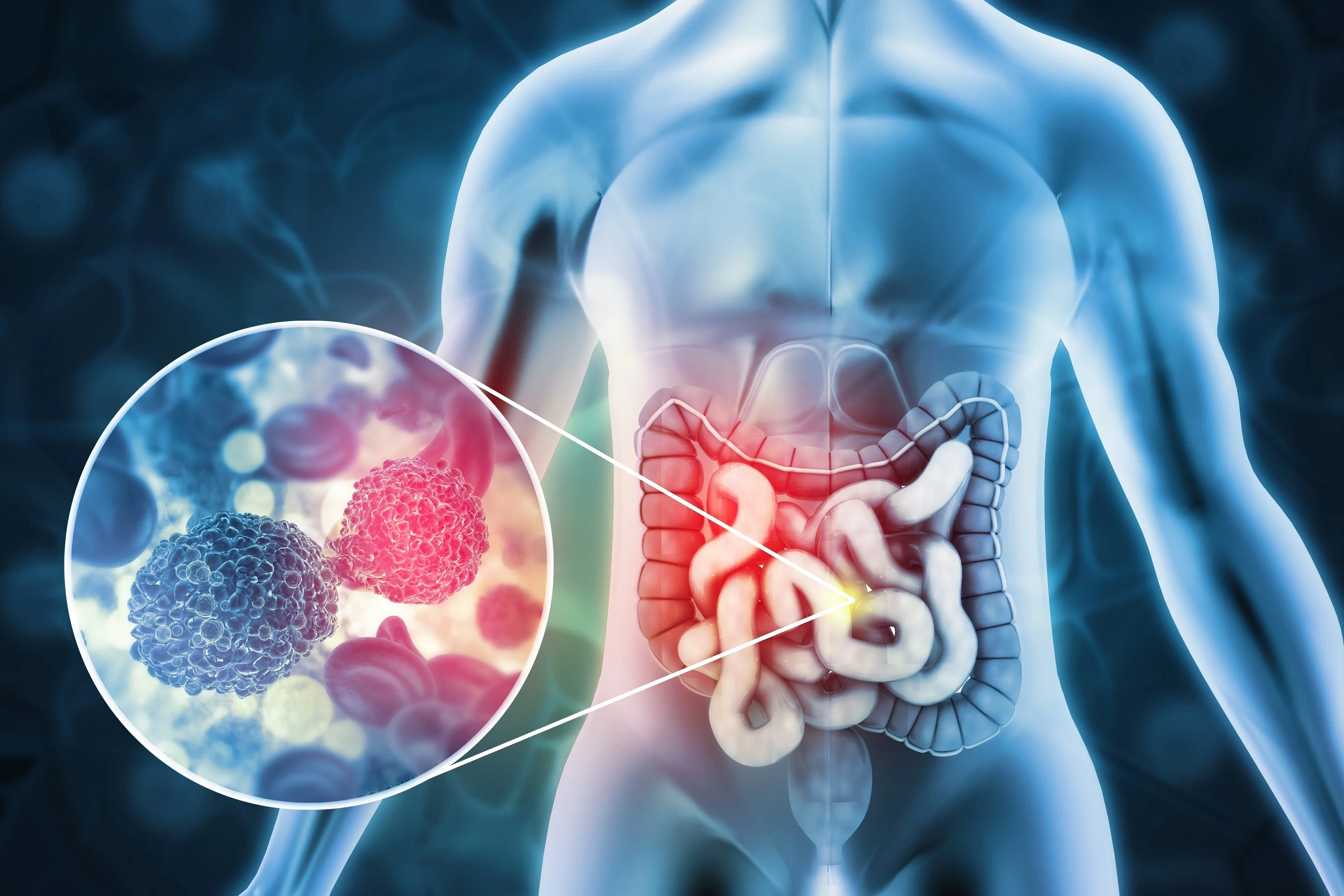
Colon cancer starts in the large intestine (colon), usually from small growths called polyps. Over time, some polyps can turn cancerous if not removed. Colon cancer is often grouped with rectal cancer and called colorectal cancer.
Why Colon Cancer Awareness Is Important
Colon cancer develops slowly and silently. Regular screening can catch precancerous polyps before they turn into cancer—making prevention possible.
Understanding the Colon
Function of the Colon
- Absorbs water and nutrients
- Forms and stores stool
- Maintains digestive balance
How Colon Cancer Develops
Genetic mutations cause colon cells to grow uncontrollably, forming polyps that may progress into cancer.
Types of Colon Cancer
- Adenocarcinoma — The most common type, starting in glandular cells.
- Carcinoid Tumors — Slow-growing tumors from hormone-producing cells.
- Gastrointestinal Stromal Tumors (GIST) — Rare tumors from connective tissue.
- Lymphoma of the Colon — Develops from immune system cells.
Causes and Risk Factors of Colon Cancer
- Age and Family History: Risk increases after age 50 or with family history.
- Diet and Lifestyle Factors: High red and processed meat intake; low fiber diet; obesity.
- Medical Conditions: Inflammatory bowel disease (IBD); type 2 diabetes.
- Genetic Syndromes: Lynch syndrome and familial adenomatous polyposis (FAP).
Signs and Symptoms of Colon Cancer
Early Symptoms
- Often none
- Mild digestive changes
Advanced Symptoms
- Blood in stool
- Persistent constipation or diarrhea
- Abdominal pain
- Unexplained weight loss
Symptoms Often Ignored
Fatigue and anemia are commonly overlooked.
Colon Cancer Screening and Early Detection
- Colonoscopy: The gold standard for detection and prevention.
- Stool-Based Tests: Detect hidden blood or abnormal DNA.
- Who Should Get Screened? Adults aged 45 and above or earlier if high-risk.
Diagnosis of Colon Cancer
- Colonoscopy with Biopsy: Confirms cancer diagnosis.
- Imaging Tests: CT scan, MRI, PET scan.
- Blood Tests: CEA tumor marker monitoring.
- Genetic Testing: Identifies inherited risk.
Stages of Colon Cancer
- Stage I: Cancer limited to colon wall.
- Stage II: Spread through colon wall.
- Stage III: Lymph node involvement.
- Stage IV: Spread to distant organs.
Treatment Options for Colon Cancer
- Surgery: Primary treatment for most cases.
- Chemotherapy: Kills remaining cancer cells.
- Radiation Therapy: Used mainly for rectal involvement.
- Targeted Therapy: Targets cancer-specific pathways.
- Immunotherapy: Effective in select genetic cases.
Surgery for Colon Cancer
- Polypectomy and Local Excision: For early-stage disease.
- Partial Colectomy: Removal of affected colon segment.
- Minimally Invasive Surgery: Less pain, faster recovery.
Side Effects of Colon Cancer Treatment
Short-Term Side Effects
- Nausea
- Fatigue
- Bowel changes
Long-Term Side Effects
- Digestive issues
- Nerve damage
- Emotional stress
Life After Colon Cancer
- Recovery and Follow-Up Care: Regular colonoscopies and scans.
- Diet and Lifestyle Changes: High-fiber diet and regular exercise.
- Emotional and Mental Health: Support groups and counseling help recovery.
Colon Cancer Prevention
- Healthy Diet: More fruits, vegetables, and whole grains.
- Physical Activity: Reduces cancer risk significantly.
- Avoiding Tobacco and Alcohol: Lowers overall cancer risk.
Colon Cancer in India
Rates are rising due to lifestyle changes. Challenges in early detection include low screening awareness.
Advances in Colon Cancer Treatment
- Precision Medicine: Personalized treatment based on genetics.
- Robotic Surgery: Improves surgical accuracy.
- Ongoing Research: New drugs and therapies continue to emerge.