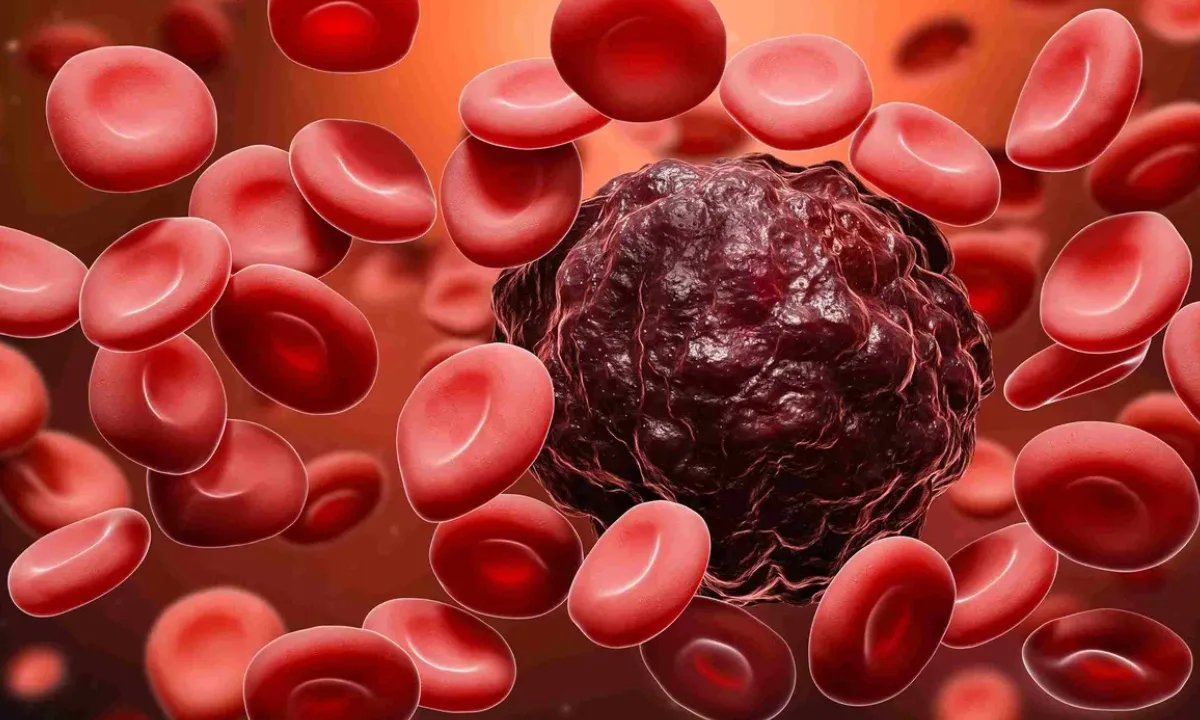
Blood cancer is a broad term for cancers that affect the blood, bone marrow, and lymphatic system. Unlike solid tumors, blood cancers disrupt the body’s blood-making factory, weakening immunity and normal body functions. With early diagnosis and modern treatments, many blood cancers are now manageable and in some cases curable.
What Is Blood Cancer?
Blood cancer occurs when abnormal blood cells grow uncontrollably, crowding out healthy cells and disrupting oxygen delivery, infection control, and clotting. It primarily affects white blood cells, bone marrow, and the lymphatic system.
Why Blood Cancer Awareness Is Important
Symptoms can be vague and mistaken for common illnesses. Awareness helps people seek medical care early, when treatment is most effective.
Understanding Blood and Bone Marrow
- Red blood cells: Carry oxygen
- White blood cells: Fight infection
- Platelets: Prevent bleeding
How Blood Cancer Develops
Genetic mutations cause abnormal blood cells to multiply rapidly, preventing healthy cells from functioning properly.
Types of Blood Cancer
- Leukemia: Cancer of blood-forming tissues (bone marrow). Includes acute (fast-growing) and chronic (slow-growing) forms.
- Lymphoma: Cancer of the lymphatic system — includes Hodgkin (with Reed–Sternberg cells) and non-Hodgkin types.
- Multiple Myeloma: Cancer of plasma cells affecting bones and immunity.
Causes and Risk Factors
- Genetic factors: Inherited mutations can increase risk
- Environmental/lifestyle: Radiation, toxic chemicals, smoking
- Medical factors: Weak immune system or prior cancer treatments
Signs and Symptoms
Early symptoms may be subtle; advanced signs are more specific.
- Early: Fatigue, frequent infections, pale skin
- Advanced: Unexplained weight loss, night sweats, bone pain, swollen lymph nodes
- Children: May show fever, bruising, and bone pain more prominently
Diagnosis
- Blood tests: Abnormal cell counts raise suspicion
- Bone marrow biopsy: Confirms diagnosis
- Imaging: CT/PET scans to assess spread
- Genetic/molecular testing: Guides targeted therapy
Staging
- Leukemia: Based on cell counts and genetic markers
- Lymphoma: Uses the Ann Arbor staging system
- Multiple myeloma: Assessed via protein levels and bone damage
Treatment Options
- Chemotherapy: Kills rapidly dividing cells
- Targeted therapy: Attacks specific cancer proteins
- Immunotherapy: Boosts the immune response
- Radiation therapy: Used in selected cases
- Stem cell / bone marrow transplant: Replaces damaged marrow
Treatment by Type
- Leukemia: Chemotherapy, targeted agents, and sometimes transplant
- Lymphoma: Chemotherapy, immunotherapy, and radiation
- Multiple myeloma: Targeted drugs, steroids, and transplant
Side Effects of Treatment
- Short-term: Nausea, hair loss, infections
- Long-term: Fatigue, fertility issues, possible organ damage
Recovery and Life After Treatment
Many patients achieve remission and long-term survival. Emotional support, counseling, and regular follow-up care are important to monitor for relapse and manage late effects.
Blood Cancer in Children
Acute lymphoblastic leukemia (ALL) is the most common pediatric blood cancer and children often respond well to treatment.
Prevention and Early Detection
Blood cancer is not always preventable, but reducing exposure to radiation and toxins and seeking prompt evaluation for persistent symptoms improves early detection and outcomes.
Blood Cancer in India
Incidence is rising; challenges include late diagnosis and variable access to specialized care.
Advances in Treatment
- CAR T-cell therapy: A breakthrough immunotherapy for resistant cases
- Precision medicine: Treatments tailored to genetic profiles
- New drugs: Ongoing development of safer, more effective therapies