
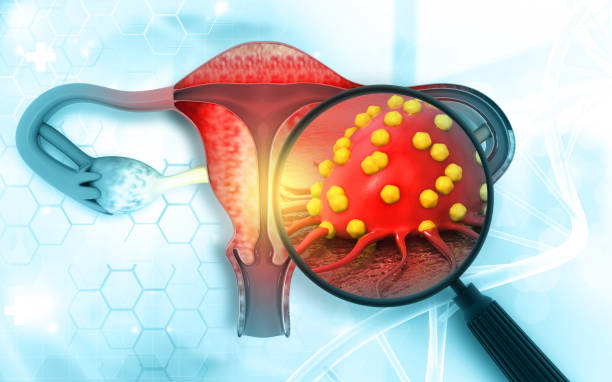
Cervical cancer is one of the most preventable and treatable cancers—yet it remains a major health concern for women worldwide. The tragedy lies not in the disease itself, but in late detection. With regular screening and vaccination, cervical cancer can often be stopped before it even starts.
The empowering truth? Cervical cancer is largely preventable. Awareness saves lives.
What Is Cervical Cancer?
Cervical cancer begins in the cervix, the lower part of the uterus that connects to the vagina. It develops slowly over time, often starting as precancerous changes caused by persistent HPV infection.
Why Cervical Cancer Awareness Is Important
Many women don’t experience symptoms until the cancer is advanced. Regular screening helps detect abnormal cells early, long before they become cancerous.
Understanding the Cervix
Function of the Cervix
- Allows passage of menstrual blood
- Plays a role in childbirth
- Protects the uterus from infection
How Cervical Cancer Develops
Persistent HPV infection causes abnormal cell changes that may progress into cancer if untreated.
Types of Cervical Cancer
- Squamous Cell Carcinoma: Accounts for about 80–90% of cases.
- Adenocarcinoma: Develops in glandular cells and is harder to detect.
- Other Rare Types: Includes neuroendocrine tumors.
Causes and Risk Factors of Cervical Cancer
Human Papillomavirus (HPV) Infection
The primary cause of cervical cancer.
Sexual and Lifestyle Factors
- Early sexual activity
- Multiple partners
- Smoking
Weakened Immune System
HIV or immunosuppressive drugs increase risk.
Long-Term Oral Contraceptive Use
Slightly increases risk over time.
Signs and Symptoms of Cervical Cancer
Early Symptoms
- Often none
- Mild vaginal discharge
Advanced Symptoms
- Abnormal vaginal bleeding
- Pelvic pain
- Pain during intercourse
Symptoms Often Ignored
Post-coital bleeding is frequently overlooked.
Cervical Cancer Screening and Prevention
- Pap Smear Test: Detects precancerous cell changes.
- HPV Test: Identifies high-risk HPV strains.
- HPV Vaccination: Protects against the most common cancer-causing HPV types.
Diagnosis of Cervical Cancer
- Pelvic Examination: Initial evaluation.
- Colposcopy: Magnified examination of the cervix.
- Biopsy: Confirms cancer diagnosis.
- Imaging Tests: CT, MRI, or PET scans determine spread.
Stages of Cervical Cancer
- Stage I: Cancer limited to cervix
- Stage II: Spread beyond cervix
- Stage III: Involves pelvic wall or kidneys
- Stage IV: Spread to distant organs
Treatment Options for Cervical Cancer
- Surgery: Effective in early stages.
- Radiation Therapy: Often combined with chemotherapy.
- Chemotherapy: Enhances radiation effectiveness.
- Targeted Therapy: Blocks cancer growth pathways.
- Immunotherapy: Used for advanced or recurrent cases.
Side Effects of Cervical Cancer Treatment
Short-Term Side Effects
- Fatigue
- Nausea
- Skin irritation
Long-Term Side Effects
- Menopause
- Fertility issues
- Bowel changes
Life After Cervical Cancer
-
Recovery and Follow-Up Care:
Regular Pap tests and scans.
-
Fertility and Pregnancy Concerns:
Fertility-preserving surgery may be possible.
-
Emotional and Mental Health:
Support groups and counseling are vital.
Cervical Cancer Prevention
- Importance of HPV Vaccination: Best protection against cervical cancer.
- Safe Sexual Practices: Reduce HPV transmission risk.
- Regular Screening: Early detection saves lives.
Cervical Cancer in India
- Prevalence and Statistics: One of the leading cancers among Indian women.
- Challenges in Early Detection: Low screening rates and awareness.
Advances in Cervical Cancer Treatment
- Precision Medicine: Customized treatment plans.
- New Radiation Techniques: More accurate with fewer side effects.
- Ongoing Research: Improving survival and quality of life.