
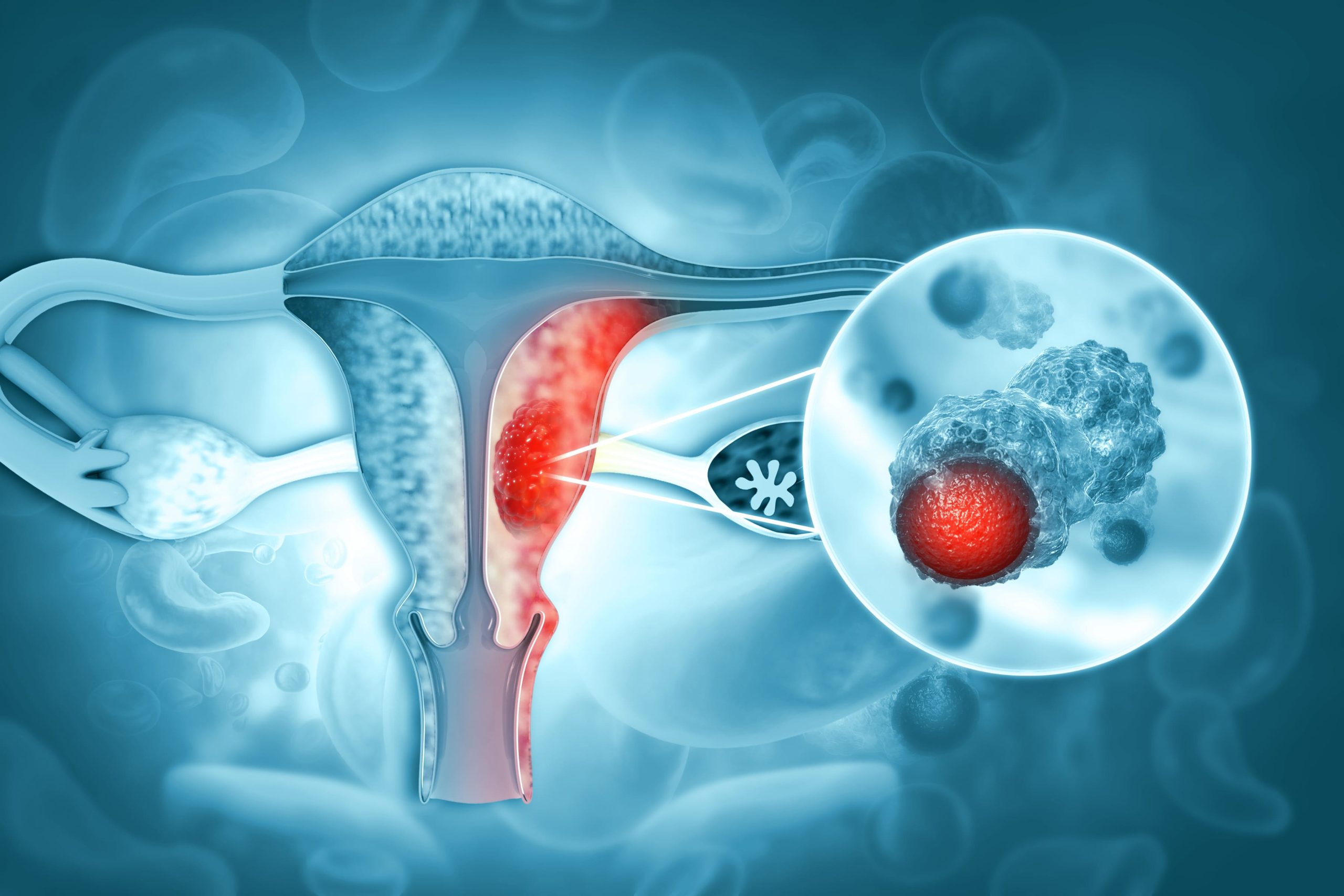
Ovarian cancer is one of the most serious cancers affecting women. Often called the “silent killer,” it tends to develop quietly, with symptoms appearing only in advanced stages. This makes awareness and early action incredibly important.
Despite the challenges, advances in medical science have significantly improved survival rates—especially when ovarian cancer is diagnosed and treated promptly.
What Is Ovarian Cancer?
Ovarian cancer begins in the ovaries, the reproductive glands responsible for producing eggs and female hormones like estrogen and progesterone. It occurs when abnormal cells grow uncontrollably, forming a tumor that can spread to nearby organs.
Why Ovarian Cancer Is Often Called a Silent Killer
Unlike some cancers, ovarian cancer does not usually cause obvious symptoms early on. Mild discomfort is often mistaken for digestive or hormonal issues, leading to delayed diagnosis.
Understanding the Ovaries
Role of Ovaries in the Female Body
- Release eggs for reproduction
- Produce essential hormones
- Regulate menstrual cycles
How Ovarian Cancer Develops
Genetic mutations cause ovarian cells to divide abnormally, eventually forming cancerous tumors that may spread within the abdomen.
Types of Ovarian Cancer
- Epithelial Ovarian Cancer — The most common type, starting on the outer surface of the ovary.
- Germ Cell Tumors — Rare tumors affecting younger women and girls.
- Stromal Tumors — Develop from hormone-producing cells.
Causes and Risk Factors of Ovarian Cancer
- Age and Hormonal Factors: Risk increases after menopause.
- Genetic Mutations (BRCA1 & BRCA2): Significantly raise cancer risk.
- Family History: Inherited cancer syndromes increase susceptibility.
- Lifestyle and Reproductive Factors: Obesity, late menopause, and infertility may increase risk.
Signs and Symptoms of Ovarian Cancer
Early Symptoms
- Bloating
- Pelvic discomfort
- Frequent urination
Advanced Symptoms
- Abdominal swelling
- Weight loss
- Fatigue
- Loss of appetite
Why Symptoms Are Often Ignored
They mimic common digestive or menstrual issues.
Ovarian Cancer Screening and Early Detection
- Why Screening Is Challenging: No reliable screening test exists for the general population.
- Ultrasound and CA-125 Test: Used in high-risk women.
- Who Is at High Risk? Women with BRCA mutations or strong family history.
Diagnosis of Ovarian Cancer
- Pelvic Examination: Initial assessment by a gynecologist.
- Imaging Tests: Ultrasound, CT scan, and MRI.
- Blood Tests: CA-125 tumor marker.
- Biopsy and Surgical Diagnosis: Confirms cancer type and stage.
Stages of Ovarian Cancer
- Stage I: Confined to ovaries
- Stage II: Spread to pelvic organs
- Stage III: Spread to abdomen or lymph nodes
- Stage IV: Spread to distant organs
Treatment Options for Ovarian Cancer
- Surgery: Primary treatment for most cases.
- Chemotherapy: Destroys remaining cancer cells.
- Targeted Therapy: Attacks specific cancer cell pathways.
- Hormone Therapy: Used in select cases.
- Immunotherapy: An emerging treatment option.
Surgery for Ovarian Cancer
- Fertility-Sparing Surgery: Preserves reproductive potential in early-stage cases.
- Debulking Surgery: Removes as much tumor as possible.
- Minimally Invasive Surgery: Used for selected patients.
Chemotherapy for Ovarian Cancer
- When Chemotherapy Is Used: Before or after surgery.
- Common Chemotherapy Drugs: Platinum-based drugs like carboplatin.
- Side Effects and Management: Hair loss, nausea, fatigue—often temporary.
Life After Ovarian Cancer
- Recovery and Follow-Up: Regular scans and blood tests.
- Fertility and Hormonal Changes: Counseling helps manage changes.
- Emotional and Mental Health Support: Support groups and therapy play a key role.
Prevention and Risk Reduction
- Genetic Counseling: Helps identify high-risk individuals.
- Lifestyle Changes: Healthy diet and exercise lower risk.
- Preventive Surgery: Recommended for high-risk women.
Ovarian Cancer in India
Cases are rising, but awareness remains low. Late-stage presentation is common, creating challenges in early diagnosis.
Advances in Ovarian Cancer Treatment
- Precision Medicine: Customized treatments based on genetics.
- PARP Inhibitors: Effective for BRCA-mutated cancers.
- Ongoing Clinical Trials: Offer hope for better outcomes.