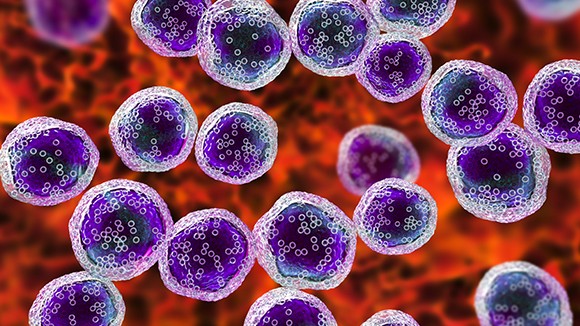
Leukemias and lymphomas are two major types of blood cancers that affect how your body produces and uses blood cells. While the names sound complex, understanding them doesn’t have to be. These cancers impact the immune system, making the body more vulnerable to infections and other complications.
The encouraging news? Medical advancements have dramatically improved survival rates, especially with early diagnosis and personalized treatment.
What Are Leukemias and Lymphomas?
Both conditions start in white blood cells, but they behave differently:
- Leukemia mainly affects the bone marrow and blood.
- Lymphoma affects the lymphatic system, including lymph nodes.
Think of leukemia as a problem in the blood factory and lymphoma as an issue in the body’s drainage and defense system.
Understanding the Blood and Lymphatic System
Role of Bone Marrow
Bone marrow produces red blood cells, white blood cells, and platelets. In leukemia, this production goes haywire.
Role of the Lymphatic System
The lymphatic system filters harmful substances and supports immunity. Lymphoma disrupts this protective network.
What Is Leukemia?
Leukemia is a cancer of blood-forming tissues where abnormal white blood cells multiply uncontrollably. These cells don’t fight infection properly and crowd out healthy cells.
Types of Leukemia
- Acute Lymphoblastic Leukemia (ALL) — Fast-growing and common in children.
- Acute Myeloid Leukemia (AML) — Aggressive and more common in adults.
- Chronic Lymphocytic Leukemia (CLL) — Slow-growing and often diagnosed incidentally.
- Chronic Myeloid Leukemia (CML) — Associated with a specific genetic mutation (Philadelphia chromosome).
What Is Lymphoma?
Lymphoma develops when lymphocytes grow abnormally and accumulate in lymph nodes, spleen, or other organs.
Types of Lymphoma
- Hodgkin Lymphoma — Characterized by Reed–Sternberg cells and highly treatable.
- Non-Hodgkin Lymphoma — A diverse group with varying severity and progression rates.
- B‑Cell Lymphoma — Most common type.
- T‑Cell Lymphoma — Less common but often aggressive.
Causes and Risk Factors
- Genetic Factors: Inherited mutations can increase risk.
- Environmental Exposure: Radiation, chemicals, and toxins.
- Immune System Disorders: HIV/AIDS or autoimmune diseases.
- Viral Infections: Epstein–Barr virus, HTLV‑1 and others.
Signs and Symptoms
Common Symptoms of Leukemia
- Fatigue
- Frequent infections
- Easy bruising or bleeding
Common Symptoms of Lymphoma
- Swollen lymph nodes
- Night sweats
- Unexplained weight loss
Symptoms in Children and Adults
Children often show bone pain and fever; adults may notice persistent weakness or unexplained symptoms.
Diagnosis of Leukemias & Lymphomas
- Blood Tests: Abnormal counts raise suspicion.
- Bone Marrow Examination: Confirms leukemia diagnosis.
- Lymph Node Biopsy: Essential for diagnosing lymphoma.
- Imaging Tests: CT, PET, MRI to assess spread.
- Genetic and Molecular Testing: Guides targeted therapy.
Staging and Classification
- Leukemia: Classified by cell type and genetic markers.
- Lymphoma: Staged from I (localized) to IV (widespread).
Treatment Options
- Chemotherapy: Destroys fast-growing cancer cells.
- Targeted Therapy: Attacks cancer-specific proteins.
- Immunotherapy: Boosts the immune system to fight cancer.
- Radiation Therapy: Used in selected cases.
- Stem Cell / Bone Marrow Transplant: Replaces damaged bone marrow.
Advanced and New Treatments
- CAR T‑Cell Therapy: Genetically engineered immune cells attack cancer.
- Precision Medicine: Treatment tailored to genetic makeup.
- Clinical Trials: Access to cutting-edge therapies.
Side Effects of Treatment
- Short‑Term: Hair loss, nausea, fatigue, infections.
- Long‑Term: Fertility issues, organ or nerve damage, secondary cancers.
Life After Leukemia or Lymphoma
- Remission and Recovery: Many patients return to a normal life.
- Emotional and Psychological Support: Mental health care is essential.
- Long‑Term Follow‑Up: Surveillance to prevent relapse and manage late effects.
Leukemias & Lymphomas in Children
- Common Types: ALL and Hodgkin lymphoma are most common.
- Treatment Success: Children often have excellent outcomes with current therapies.
Prevention and Early Detection
These cancers are not always preventable, but reducing exposure to known risk factors and seeking early evaluation for persistent symptoms improves outcomes. Early diagnosis generally responds best to treatment.
Leukemias & Lymphomas in India
Incidence is rising; challenges include late diagnosis and variable access to specialized care. Growing registries and improved treatment centers are expanding access to quality care.